
What Happens in Winter with Sunswap Endurance
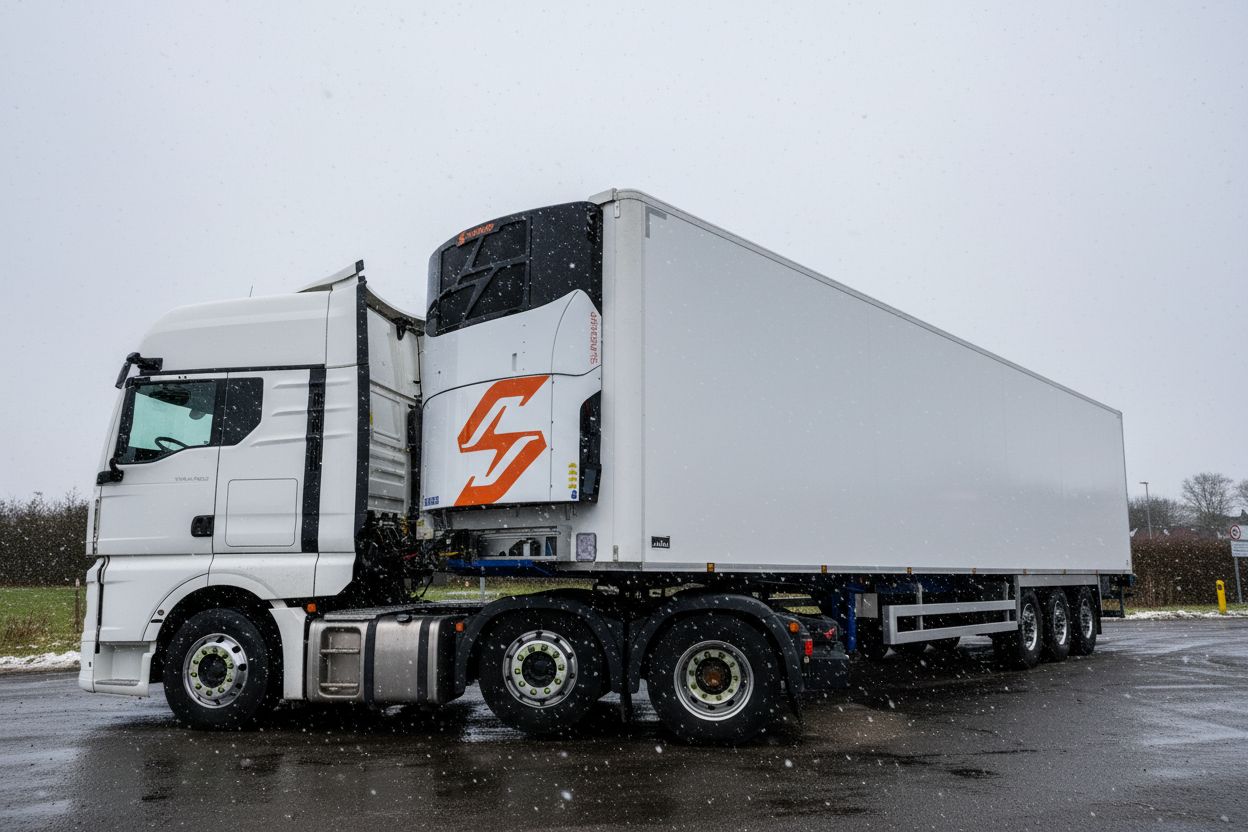
“Electric refrigeration won’t work in winter if you have solar”
We hear it often. Low light, cold weather, reduced solar generation – the assumption is that what works in summer fails when temperatures drop.
The operational data tells a different story.
What Actually Happens in Winter
When ambient temperatures drop, cooling demand drops with them. Winter also brings lower solar generation, but the reduced cooling load keeps performance strong.
The system is designed to work in harmony with seasons, not fight them.
In summer, when the demand for cooling peaks, so does solar generation. Come winter, when the sun is less generous, the demand for cooling decreases. This natural balance means Endurance performs efficiently year-round.
Even in the depths of winter, solar contributes around one quarter of the energy needed. That is operational data from December 2025.
DFDS: Frozen Goods Through Winter
DFDS introduced Endurance, battery and solar-powered transport refrigeration unit, in November 2024 and ran the fleet of units through the entire winter operating frozen goods – which require more energy than chilled.
They then presented their finds at the Cold Chain Federation Climate Summit in March 2025. The units demonstrated excellent performance.
DFDS expects that as drivers become more familiar with the units, charging frequency will decrease and they’ll see even higher solar energy contribution from spring onwards.
The units exceeded expectations even through winter – pulling frozen goods.
What the Numbers Show
Across multiple operators running Endurance through November to February, the data is consistent:
- Excellent uptime and performance were maintained through December and January
- Solar contribution continues through the lowest generation months
- Continued operational savings against diesel all through winter
This is what winter performance looks like with Endurance.
The Trials of Winter
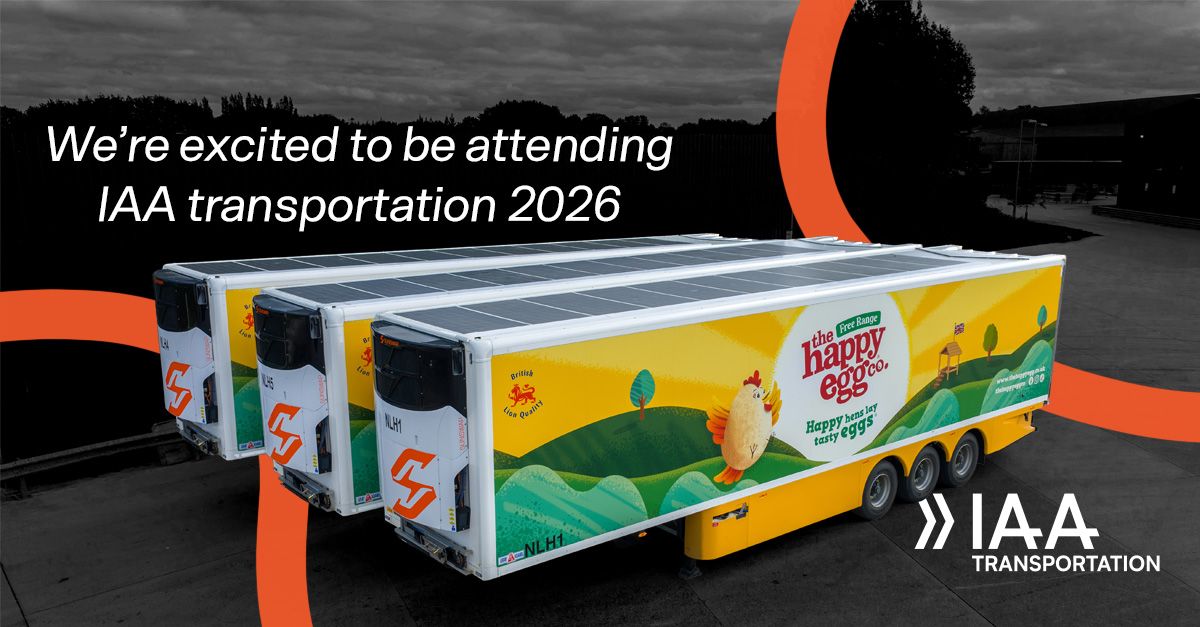
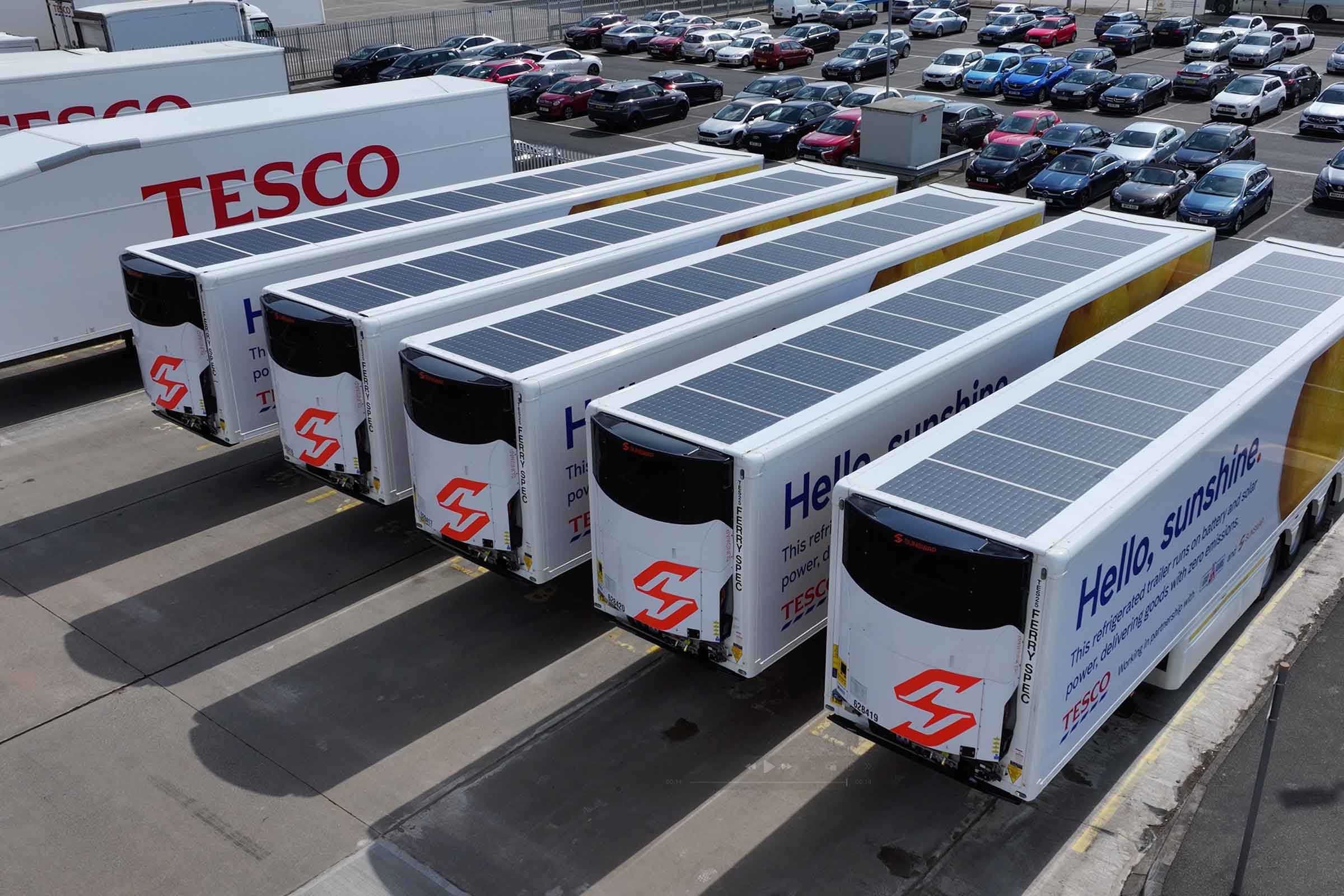
Aside from the units running all year round for customers from Tesco, Ocado, Happy Eggs, and more, all fleets have the opportunity to test Endurance, any time of the year. Operators deliberately chose their hardest routes during the coldest months.
France, January 2026
Prevote tested Endurance on their most demanding routes during January. The trials showed operational savings and what real energy independence looks like, running 21 hours at -20°C when delivering for French supermarket, Carrefour.
UK, January, 2026 – Store Logs
During a two-week trial with Store Logs, one of their frozen runs delivered 30 hours of continuous cooling at -22°C - South Kirkby to South Wales, no plug-in required.
Mark Coventry, their Group Logistics Director, called it "one of the best trials we've ever had as a company." The performance data backed him up. Here's what we learned - and why it matters for anyone running temperature-controlled operations.
Northern Ireland, January 2026 - Derry Group
Multi-temperature trial running -21°C frozen goods alongside +3°C chilled. Twenty stops per route, six days weekly through January. The system maintained both temperature zones reliably throughout.
UK, February 2026 - Reed Boardall
February conditions, two-temperature configuration (-20°C frozen, +2°C chilled), operating six days weekly. The units delivered consistent performance across both compartments through the coldest operational period.
What This Means for You
If you're evaluating electric transport refrigeration and you were concerned winter was a barrier, the data shows Endurance performs. The trials prove it. The operational data from customers proves it.
If you're planning capital expenditure and need proof of winter performance, we can show you the operational data specific to your routes and requirements.
Contact us to discuss how Endurance performs in your operational environment - year-round.
News and Updates
Stay up to date with the latest developments from Sunswap.